

24 July 2026
 Resource Center
Dental emergencies can happen at any time and often when you least expect them.
One moment you're eating dinner and something suddenly cracks. Next, you're searching online trying to figure out whether the situation can wait until morning.
In some situations, what you do during the first 30 minutes may improve the chances of saving a tooth.
Here's what to do and what to avoid until you can get professional emergency dental care.
1. Severe Toothache
Don't ignore pain that won't let you sleep or chew.
A severe toothache is your body's way of telling you something needs attention. It could be a deep cavity, a cracked tooth, an infected nerve, or the early stages of a dental abscess.
The first thing to do is rinse your mouth gently with warm salt water. If you feel food trapped between your teeth, carefully floss the area. Sometimes, removing trapped food particles helps relieve the pain.
If you notice swelling, place a cold compress against the outside of your cheek for 10 to 15 minutes at a time. This can help reduce inflammation while you arrange to see a dentist.
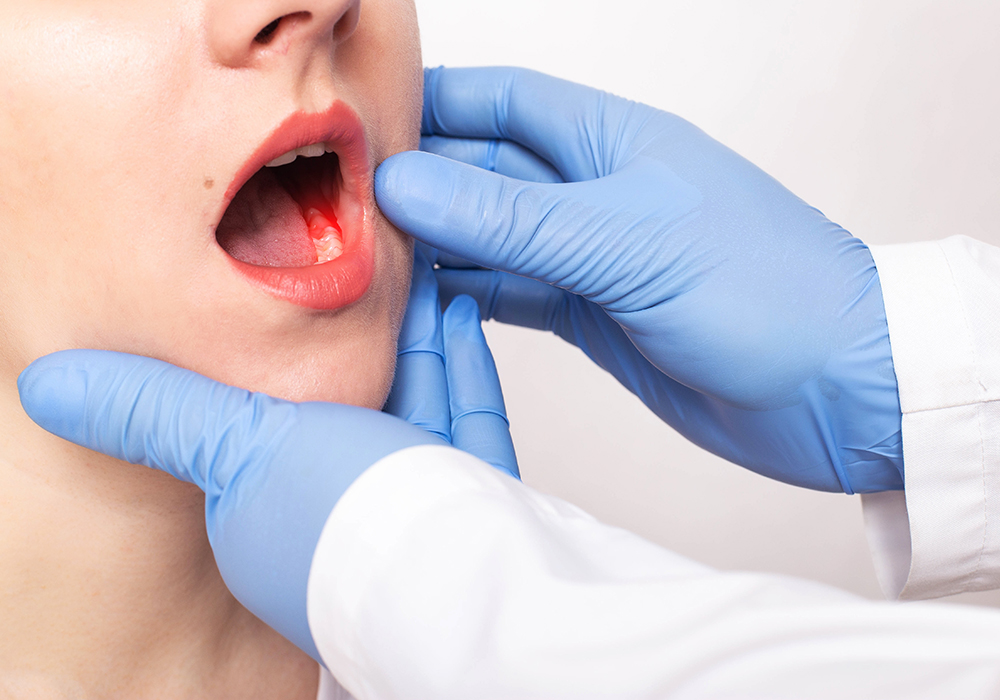
Placing painkillers directly on the aching tooth or gum won't make the pain go away faster. Instead, it can irritate the soft tissue. Always take medication as directed.
Seek emergency dental care if you have:
- Swelling of the face or jaw
- Fever
- Difficulty swallowing or breathing
- Severe pain
These symptoms may indicate a dental infection that can spread if left untreated.
2. Knocked Out Tooth
A knocked out permanent tooth is a dental emergency. Quick action within 30 to 60 minutes may improve the chances of saving the tooth.
What you should do:
- Pick the tooth up by the crown, the white part you normally see in your mouth. Avoid touching the root because it contains delicate cells that help the tooth reattach after treatment.
- If the tooth is dirty, gently rinse it under clean running water for no more than 10 seconds while holding it by the crown. Do not scrub the tooth or dry it off.
- If possible, gently place the tooth back into its socket and bite down on clean gauze to help keep it in place.
- If you cannot reinsert it, keep the tooth moist. Cold milk is usually the best option. If milk isn't available, place the tooth inside the person's cheek only if they are old enough not to swallow it.
- Avoid storing the tooth in plain water. It can damage the cells on the root that are needed for successful reattachment.
These steps apply to permanent teeth. If a baby tooth has been knocked out, do not try to place it back into the socket because doing so may damage the developing permanent tooth underneath. Contact a dentist for advice as soon as possible.
3. Broken or Cracked Tooth
Not every broken or cracked tooth hurts immediately. If the tooth is causing severe pain, feels loose, or remains sensitive to hot or cold temperatures, don't wait. A crack may be deeper than what you can see. Bacteria can enter through the fracture and lead to infection or further damage.
What to do
- Rinse your mouth gently with warm water.
- If you can find any larger pieces of the tooth, keep them and bring them to your appointment.
- Apply a cold compress to the outside of your cheek if there is swelling.
- Cover any sharp edges with dental wax or sugar free chewing gum to protect your tongue or cheek.
- Avoid chewing on the affected side.
A cracked tooth will not heal on its own. Early treatment may help save the tooth.
4. Lost Filling or Crown
A lost filling or crown can expose the underlying tooth. Even if it isn't painful, the tooth becomes vulnerable to sensitivity, decay, and further damage.
If a crown comes off, remove it from your mouth and rinse it gently with clean water. If it still fits properly, you may be able to place it back over the tooth temporarily using temporary dental cement from a pharmacy. This is only meant to protect the tooth until you can receive professional emergency dental care.
If you've lost a filling, keep the area clean by brushing gently and rinsing after meals. Avoid chewing on that side of your mouth, especially hard, sticky, or crunchy foods.
It can be tempting to reach for super glue when a crown comes off, but super glue should never be used inside the mouth. It can damage the tooth, irritate surrounding tissues, and interfere with proper treatment.
Arrange to see a dentist as soon as possible if the exposed tooth becomes painful, sensitive, develops sharp edges, or if the crown no longer fits securely.
A lost filling or crown may not seem urgent, but prompt treatment can help prevent further damage.
5. Dental Abscess
A dental abscess is a bacterial infection that forms around the root of a tooth or within the surrounding gum tissue. It is one of the most serious dental emergencies because the infection can spread beyond the tooth into the jaw, face, and neck.
Common signs include:
- Throbbing toothache
- Pain that spreads to the jaw, ear, or neck
- Swelling around the tooth, gum, or face
- A pimple-like bump on the gum that may drain pus
- Bad taste in the mouth
- Fever
- Visible swelling of the jaw or face
If you suspect you have a dental abscess, don't wait to see if it gets better on its own. While arranging emergency dental care, rinse your mouth gently with warm salt water to help keep the area clean. If needed, you can take an over-the-counter pain reliever according to the label instructions. Pain medication may help with discomfort, but it will not treat the infection.
Don't try to pop or squeeze the swelling yourself. Although it may seem like releasing the pus will solve the problem, it can worsen the infection or push bacteria deeper into the surrounding tissues.
Don't rely on leftover antibiotics from a previous illness or medication prescribed for someone else. Dental abscesses often require professional treatment, such as draining the abscess or treating the affected tooth, before they can fully heal.
Seek emergency dental care as soon as you notice these symptoms. Prompt treatment helps stop the infection before it becomes more serious.
6. Soft Tissue Injury
Not every dental emergency involves a tooth. A fall, sports injury, or accidental bite can cause cuts to the lips, cheeks, tongue, or gums.
Because the mouth has a rich blood supply, even a small cut can bleed more than expected. Blood mixed with saliva can make the injury appear worse than it actually is. Working chairside, I've seen patients panic because the amount of blood can look alarming, even when the injury is relatively minor.
What you should do:
- Rinse gently with clean water or warm salt water to remove blood and debris.
- Place a clean piece of damp gauze over the area.
- Apply firm, continuous pressure for 10 to 15 minutes.
- Apply a cold compress to the outside of the face if there is swelling.
- Avoid repeatedly removing the gauze to check if the bleeding has stopped. This can disturb the clot and restart the bleeding.
Seek emergency dental care if:
- Bleeding continues after 15 to 20 minutes of firm pressure.
- The cut is deep or the edges do not come together.
- The injury occurred together with a broken, loose, or knocked out tooth.
- You suspect a jaw injury.
- Most minor mouth injuries heal quickly, but significant trauma should always be evaluated by a dental professional. Prompt treatment can help prevent complications and support proper healing.
When You Need Professional Care
Dental emergencies can be stressful, but knowing what to do in those first 30 minutes can help you stay calm, protect the affected area, and avoid making the situation worse.
Whether it's a severe toothache, a knocked out tooth, a broken tooth, or swelling caused by an infection, quick action can make a real difference while you arrange professional care.
Remember that first aid is only temporary. Even when the pain improves or the bleeding stops, the underlying problem still needs to be evaluated by a dental professional.
If you need help finding emergency dental care, Emergency Dental Service can connect you with an emergency dentist in your area, including outside regular office hours, so you can get the care you need when it matters most.