
11 December 2025
 Resource Center
Dental implants are often seen as a cosmetic upgrade, but science is clear: they provide sufficient functional, nutritional, and long-term oral health benefits that traditional prostheses may not match. During an evidence-based guide, explains how transplants support health and general welfare throughout the mouth, when implant prosthetic versus traditional dentures need to be considered, and what "affordable implants" and "same day" options really mean.
Why Dental Implants Are More Than Cosmetic
- Get back most of your natural biting power - so you can chew better than with old-style dentures - opening up more healthy eating options. Instead of struggling, handle tougher foods with less hassle, making meals easier and more satisfying overall.
- Stop jawbone shrinking thanks to natural force transfer via implant fusion with bone - this keeps your face shape steady while supporting lasting dental health.
- Stop jawbone shrinking by sending everyday pressure into the bone via solid implant bonding - this keeps face shape steady while supporting long-term mouth health.
- Help people speak better or feel more sure by removing loose dentures and covering less of the roof of the mouth when possible.
The Science: How Implants Integrate and Protect Bone
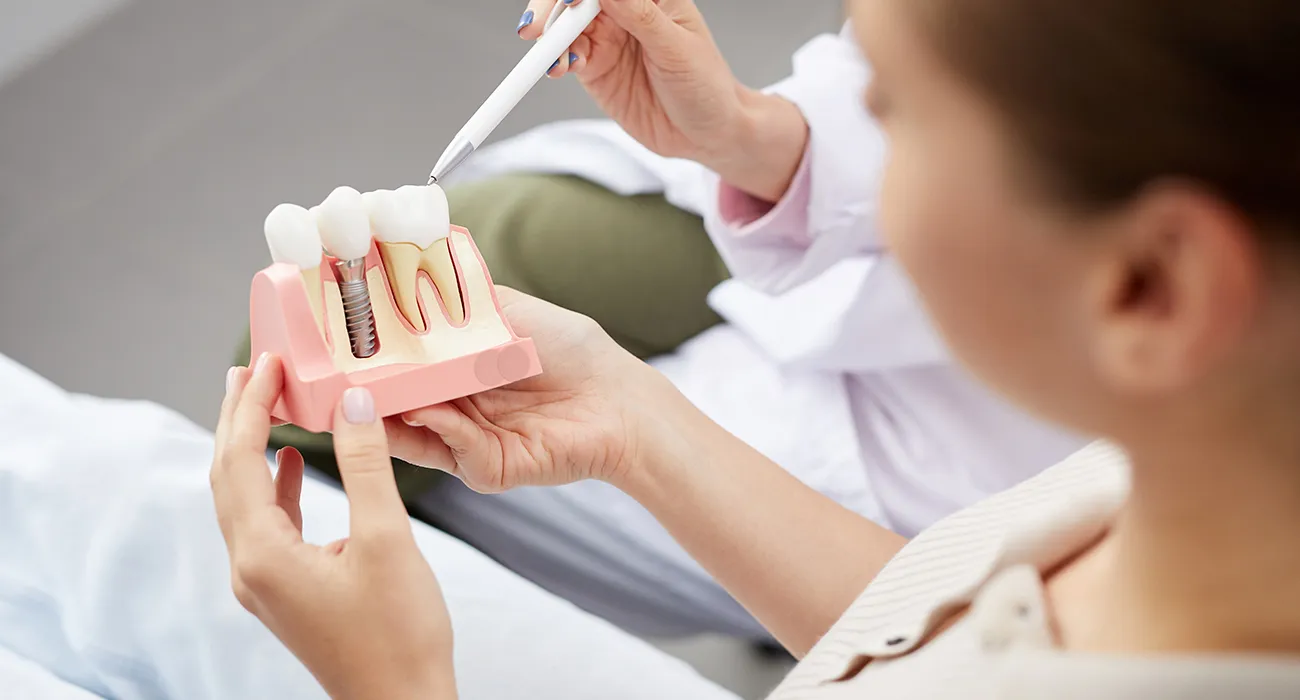
- Osseointegration means real bone links straight to the implant, locking it firmly in place; no soft scar layer gets in the way.
- Implant surfaces like SLActive or TiUnite help bone grow faster at first while also boosting lasting hold, so they work well through every stage of healing - especially when conditions aren't ideal.
- Recent studies suggest the body’s immune response manages how bone grows tightly around implants, leading to lasting stability. This healing process ensures reliable outcomes over time.
Chewing Efficiency, Nutrition, and Quality of Life
- When stacked up against regular full dentures, lower jaw implants boost how well someone chews and how happy they feel. Instead of needing lots of bites to break down food, people often need just about half as many.
- Hybrid full-arch implants - like All on 4 or full denture replacements - work better than old-style dentures when it comes to chewing, based on several tests. These options let people eat more types of food, making meals more balanced and nutritious. Unlike removable overdentures, they stay firm during use, which helps with biting tough items. Because of this stability, patients often end up choosing healthier foods throughout the day.
- Reviews show improved chewing ability along with enhanced daily living comfort following full dental implants, especially once healing is complete.
Hidden Health Benefits You Might Not Expect
- Bone preservation: implants keep jawbone fullness through everyday use - so the middle and lower face stays firm, avoiding sunken looks common with missing teeth over time.
- Chewing tougher foods? It helps you eat better - think apples, carrots, or almonds, plus lean meats. This kind of eating boosts gut health while giving your body solid fuel. Better bites mean smoother digestion over time. No magic tricks, just real food working right.
- Clear speech plus better social confidence come from steady teeth - not shaky ones bulky artificial limbs that help people chat and join in socially every single day.
Implants vs Traditional Dentures: What Changes Clinically
Clinical factor
Chewing efficiency
Bite force
Bone preservation
Speech/stability
Traditional dentures
Lowest
Limited by soft tissue support
Ongoing resorption
Can move but bulkier
Clinical factor
Chewing efficiency
Bite force
Bone preservation
Speech/stability
Implant dentures (overdenture)
Higher than dentures
Increased with 2+ implants
Reduced resorption in implant zones
Improved retention
Clinical factor
Chewing efficiency
Bite force
Bone preservation
Speech/stability
Full denture implants (fixed full arch)
Highest overall in many studies
Near natural loading and stability
Best preservation with full arch support
Most stable, often less bulk
Each cell above is supported by the cited evidence in the corresponding column headers and studies.
Options Across Needs and Budgets
- Dentures replace lost teeth - these ones come out when needed. They cost less at first compared to others. Yet they don't work as well daily. Besides, your jawbone shrinks slowly with use.
- Implant-supported dentures - sometimes called overdentures - let you walk out with teeth right after surgery. Instead of waiting months, folks get a temporary set fast, often hooked to 2 or 3 screws in the bottom jaw. These mini-anchors boost stability way better than regular plates. Costs stay smaller compared to full-mouth screw-in bridges. Some clinics call it "teeth in one go" ’cause everything wraps up quick.
- Full denture implants, like All on 4, use just a few posts to hold a solid bridge in place - so it doesn't come out. These setups chew way better than ones you take out at night because they stay put firmly. Having fewer screws doesn’t mean less strength - it actually locks everything tight. Unlike loose-fitting dentures, this kind sticks right to your jawbone for steady function.
- Prices for low-cost tooth implants depend on where you are, what stuff they use, yet how tough the procedure turns out. Some studies say tiny or shorter screws might work fine now and then - helps skip bone build-up surgery sometimes - but picking the right patient matters a lot down the road.
- Got teeth done in one day? It could work if your jaw’s strong enough plus the situation fits. These methods use smart design along with good grip from the implant coating - this helps healing stick right. How it works depends on how solid things feel when placed.
When Emergency Dentures or Urgent Dental Care Are Needed
- Once teeth get pulled or if there's sudden tooth loss, temporary dentures right away can help you chew and smile fast - then later switch to implants or permanent fixes once healing’s done and the path is clear.
- Quick dental help’s needed if you’re hurting, infected, or struggling to chew - getting implants sooner helps avoid loose fits and raw patches common with old-style dentures.
Who Benefits Most from Implants?
- People who have trouble keeping their lower denture in place - especially on the bottom jaw - often notice big improvements right away when using a two-implant overdenture; many studies and expert summaries agree.
- People missing all teeth in one jaw who want strong biting force plus better bone health usually look into permanent dentures held by 4 to 6 screws per side.
- Patients leaning toward power and endurance might begin with Overdenchar, then shift to Stepwiz later - depending on changing demands or cash flow.
Safety, Longevity, and Success Rates
- Landmark plus modern assessments show solid long-term results if implants are carefully set up and looked after, affecting early stability alongside coating methods.
- Good results rely on overall body health, strong bones, proper surgery methods, also consistent aftercare; most standard implant coatings hit safe stability levels in practice.
Dental implants do way more than fix your smile. They boost how hard you can chew, stop bone loss in the jaw, help you talk clearer, let you eat a wider range of foods, also lifting daily comfort - proven again and again by research. If you go for implant-supported dentures because they’re budget-friendly and steady, yet pick full-arch solutions for top strength, today’s dental tech gives real health perks old-style dentures simply miss.